It was on one of his scouting trips that Abbot Pfanner met with Chief Sakayedwa at the Polela River in May 1886. The Chief asked for schools for his people. This, Pfanner reasoned, would satisfy the cherished educational desires of local Chiefs and provide important channels for evangelisation.
Abbot Francis named the mission “Reichenau” and prayed that it would be for the local African people something similar to the role played by its namesake in Germany – “a haven of culture and Christianisation.”
It is named after the Benedictine Monastery which is located on the island of Reichenau in Lake Constance, central Europe which was founded in 724, in honour of the Virgin Mary and Saints Peter and Paul.
It was favoured by many pilgrims and wayfarers, who enriched it with gifts of precious relics. One of these was a cross with the Blood of Christ, which was said to have been brought from the East to Charlemagne, and to have been confided to the custody of Reichenau in 925.
The abbots, academics, and artists who inhabited Reichenau Monastery made considerable contributions to the political, spiritual, and artistic life of the period.
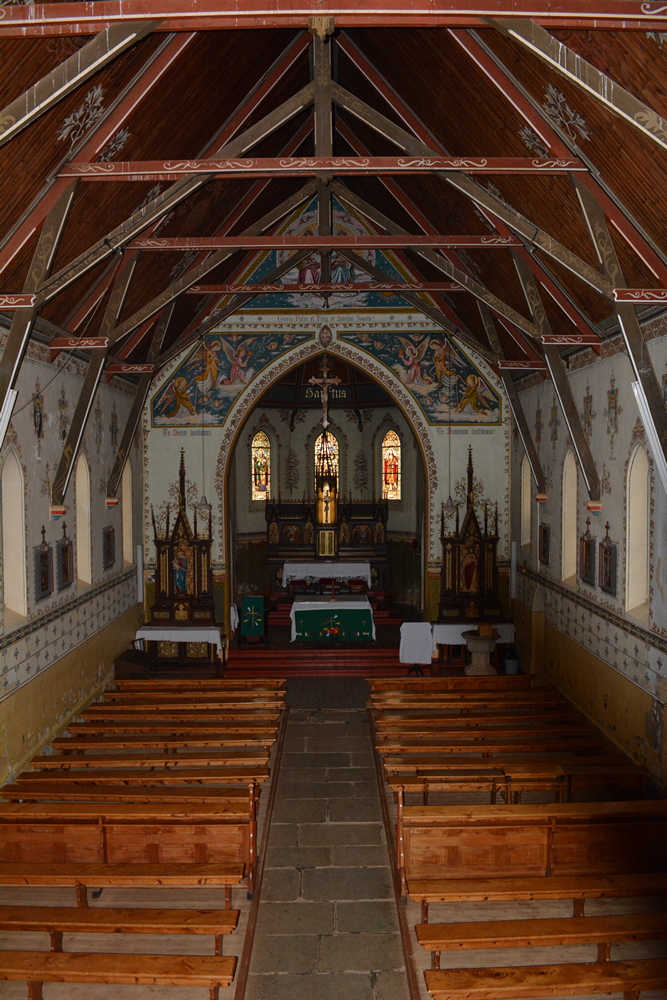
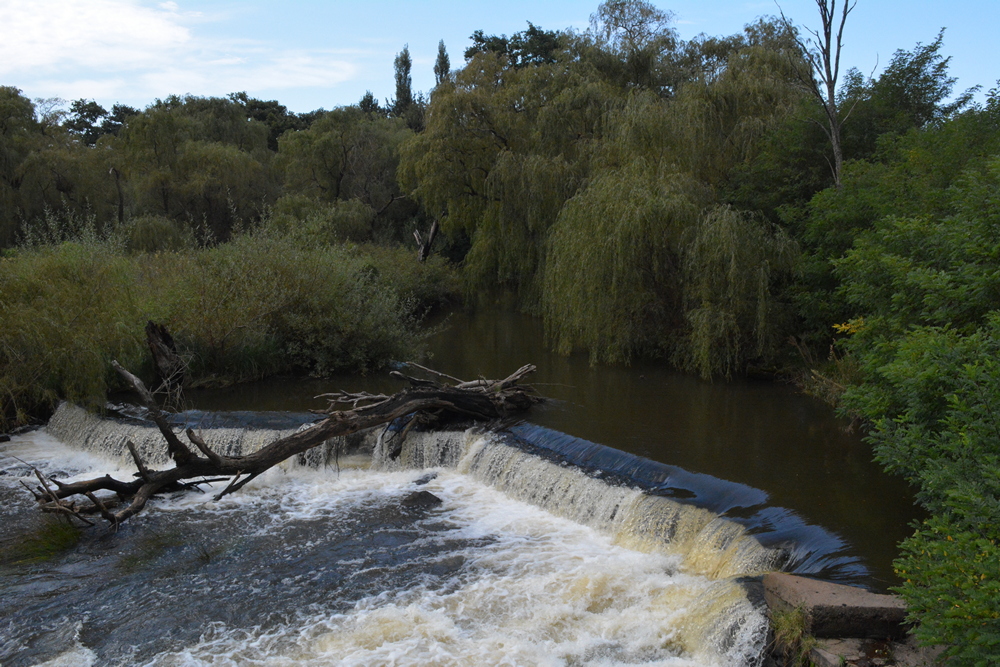
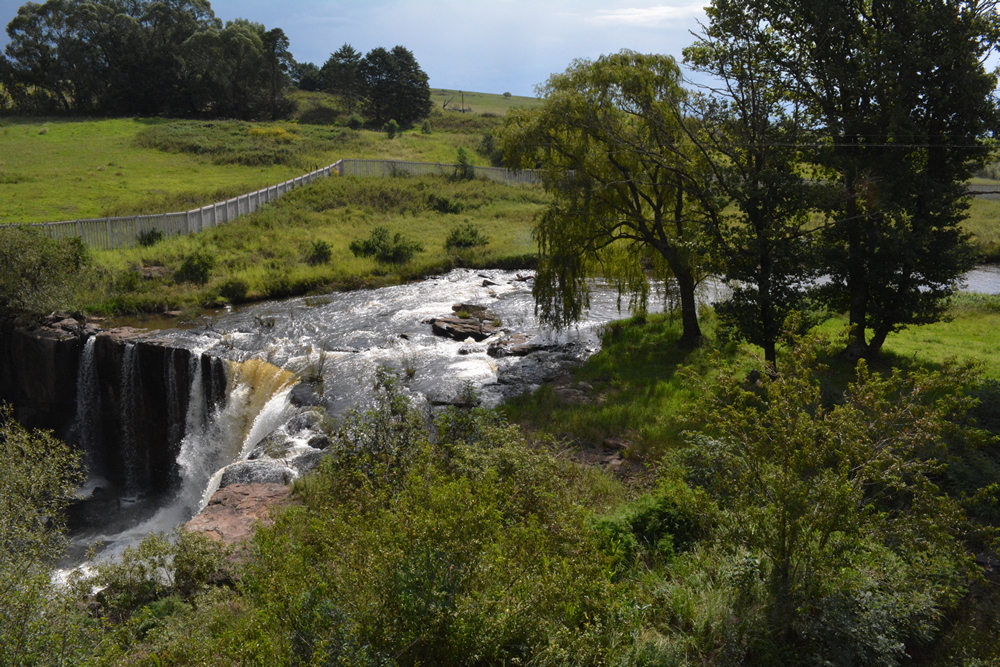
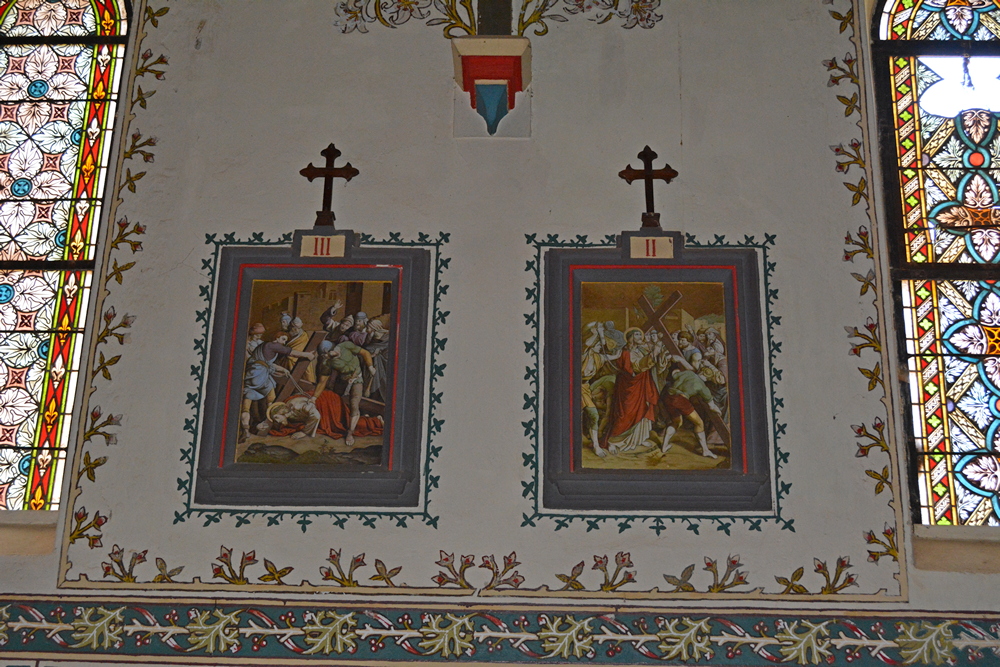
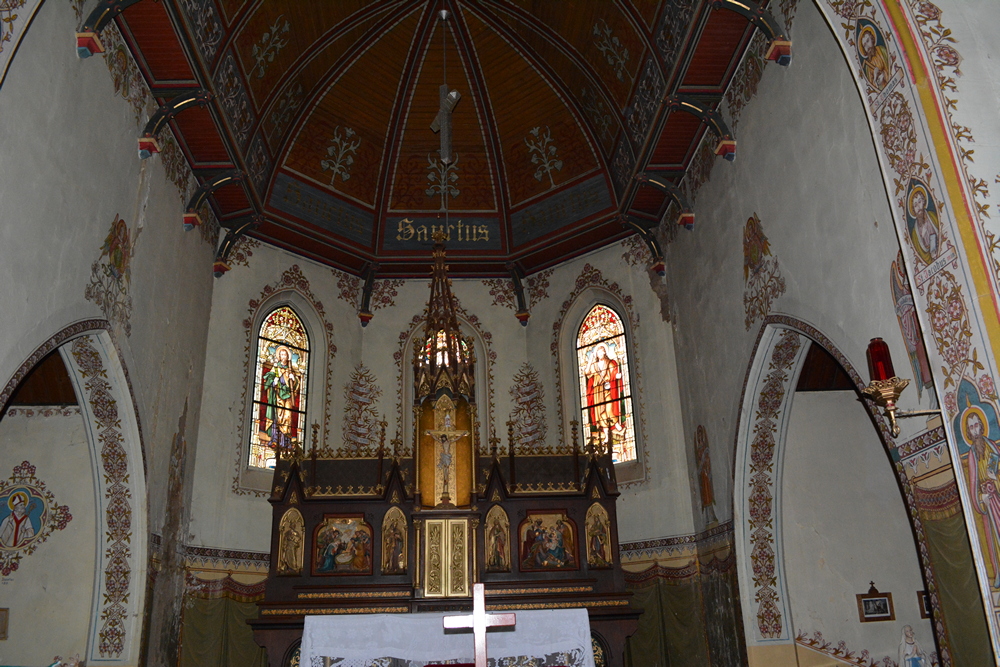
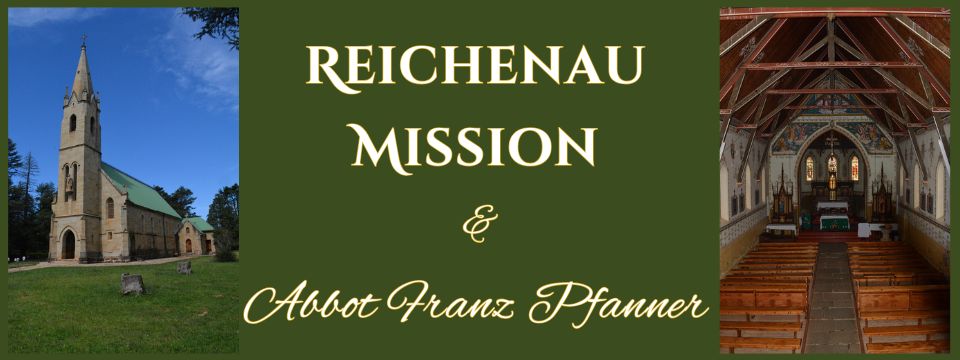
Our “own” Reichenau boasts a somewhat mysterious interior. The buildings were planned alongside a natural waterfall and as there was no suitable clay for bricks, sandstone was used to maximum effect, even incorporating the steeple. It was designed by the architect of Mariannhill, Brother Nivard Streicher, and with its beautiful murals and richly coloured stained-glass windows, it is his most perfect neo-Gothic structure.
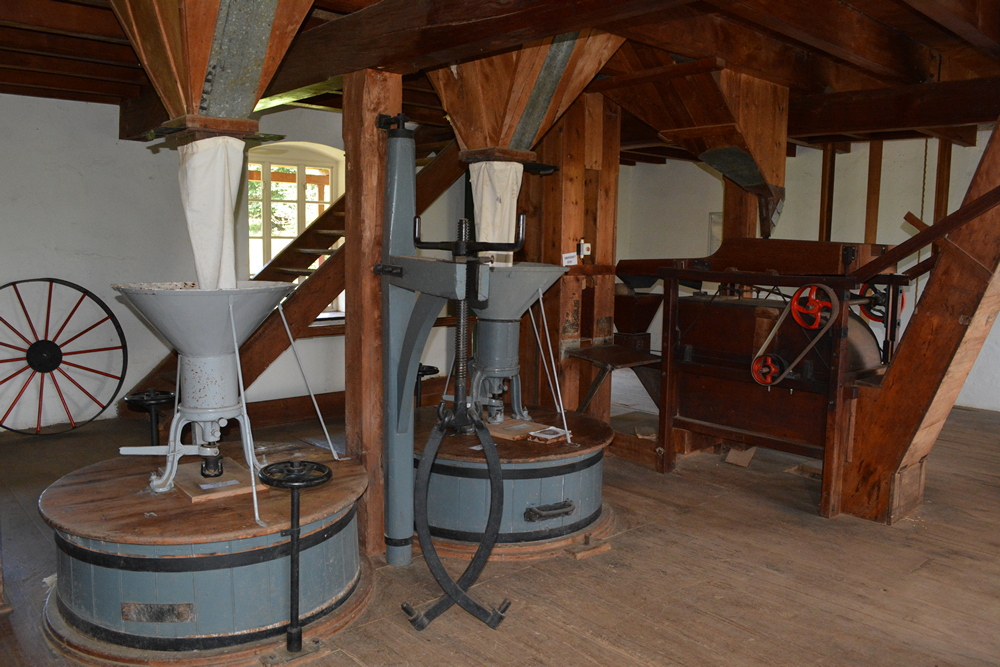
One of the earliest reports from the teachers at Reichenau was that to their surprise the desire of the pupils for religion was even greater than their desire to “learn the book.” The school is still functioning and the mill is being restored.