Winning the heart and soul of South Africa for Mary by spreading the Fatima Message

Winning the heart and soul of South Africa for Mary by spreading the Fatima Message

Mariazell Mission

Nestling in the foothills of the renowned Lesotho peaks, is the Mariazell Mission which was established by the Trappists on 2023 hectares in 1894. 

The name derives from the Marian pilgrimage shrine in Austria which is famous for a miraculous image of Our Lady. 

A Benedictine monk named Magnus was in a forest looking for a place to build a monastery in 1157. At one point, his path became blocked by a huge boulder that was too big to go over or around, so Magnus took a small wooden statue of the Virgin Mary he had in his knapsack, knelt in prayer, and asked Our Lady for guidance. Soon there was a great rumble and the rock split in two, allowing him to pass through. Magnus placed the statue reverently on a white branch and soon after, he and some of the local people built a small chapel to house the statue. 

Due to many miracles, Our Lady of Mariazell came to be known by the titles “Great Mother of Austria, Great Lady of Hungary, and Great Mother of the Slavic People.” 

It is also the starting point from which Fr Pavlikec initiated the Austrian Rosary Crusade which would eventually see the withdrawal of Soviet forces from Austrian territory. 


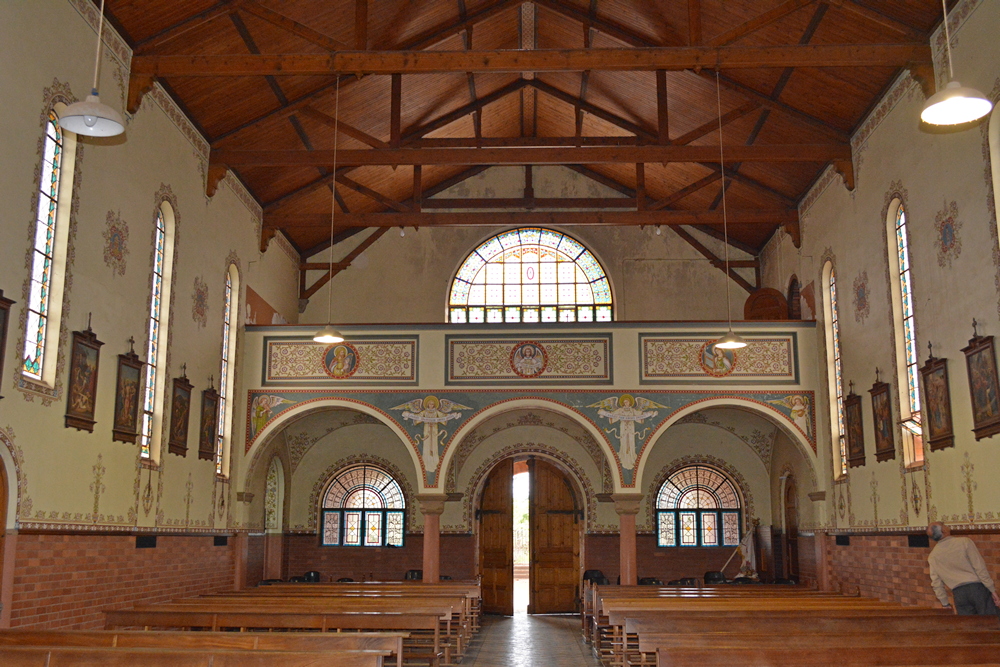
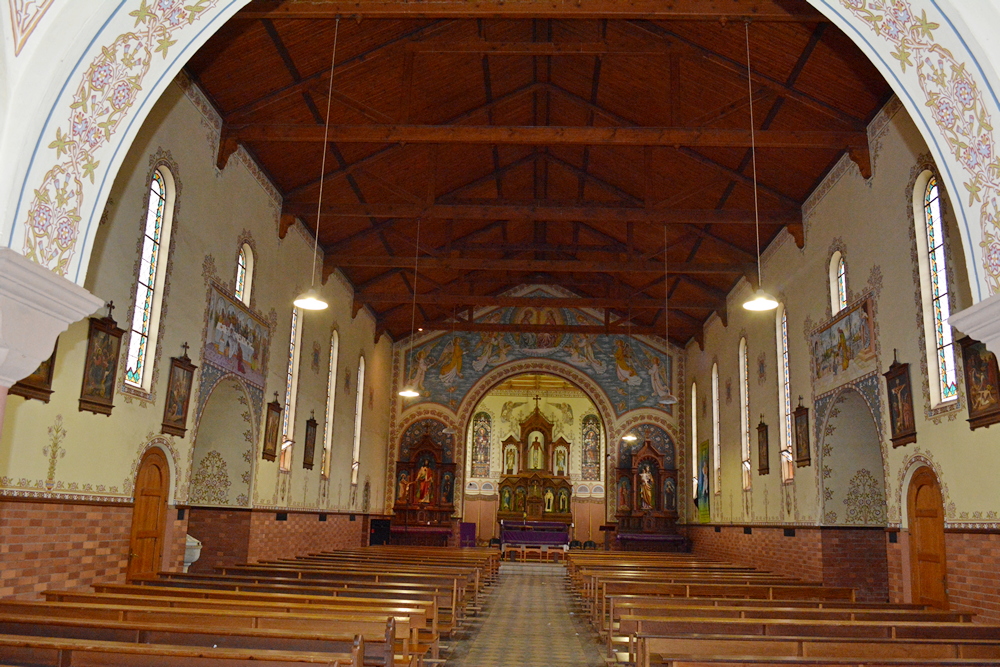
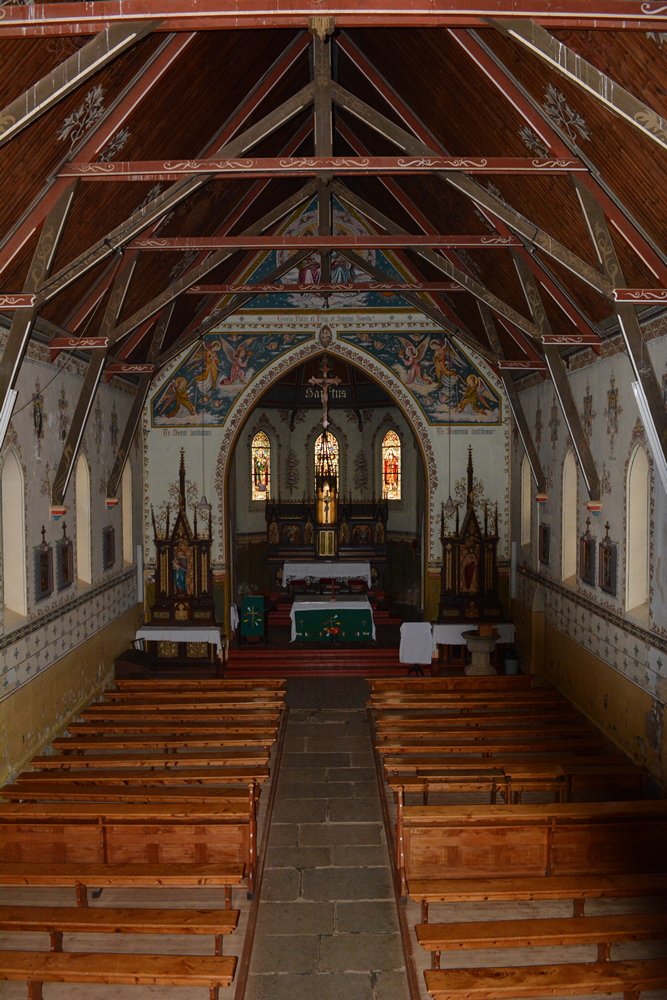
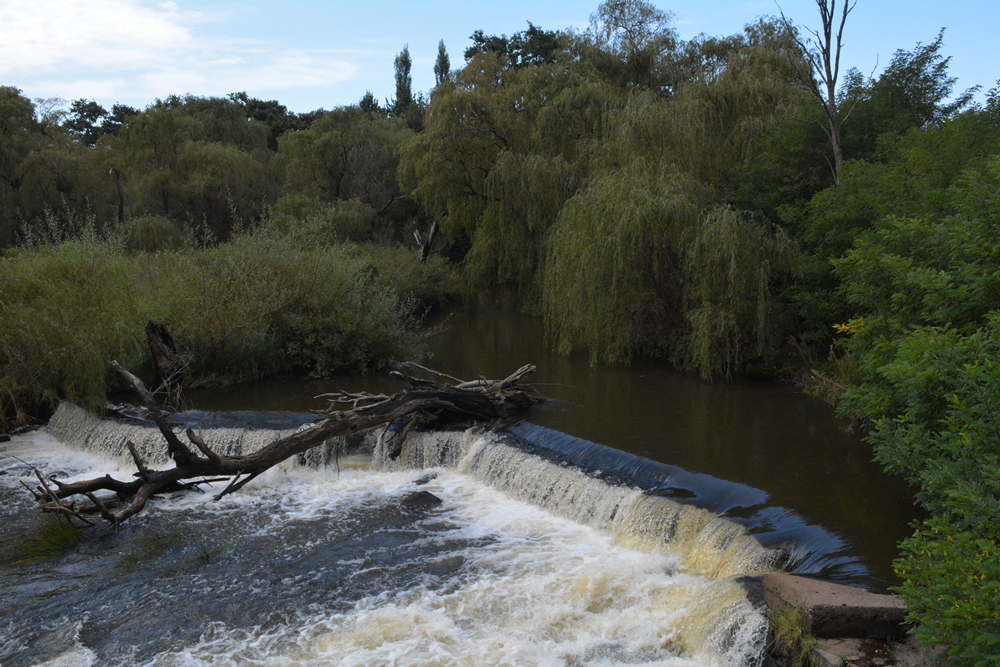
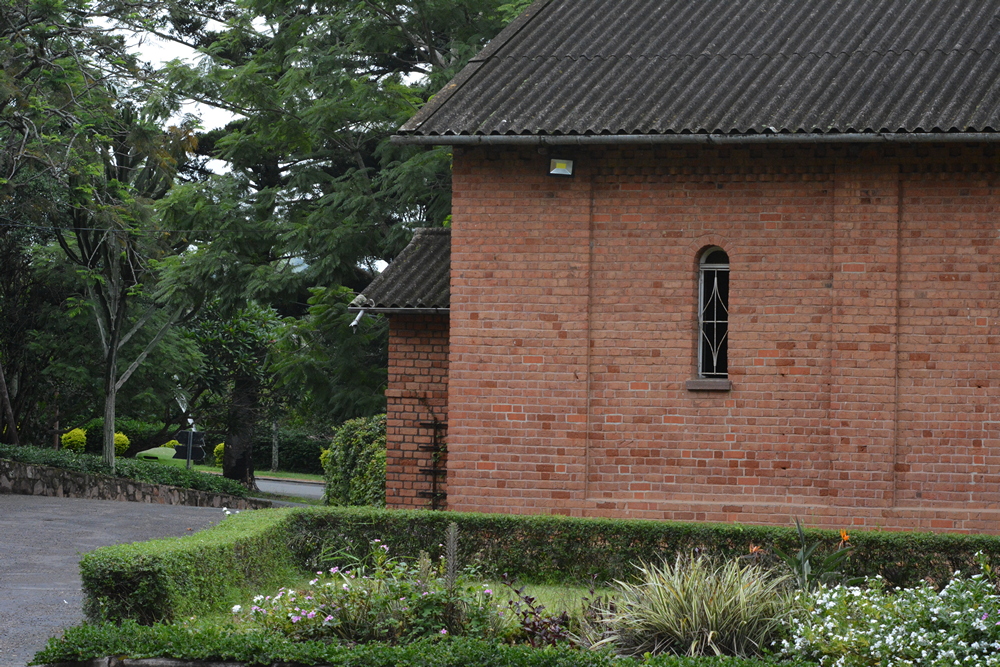
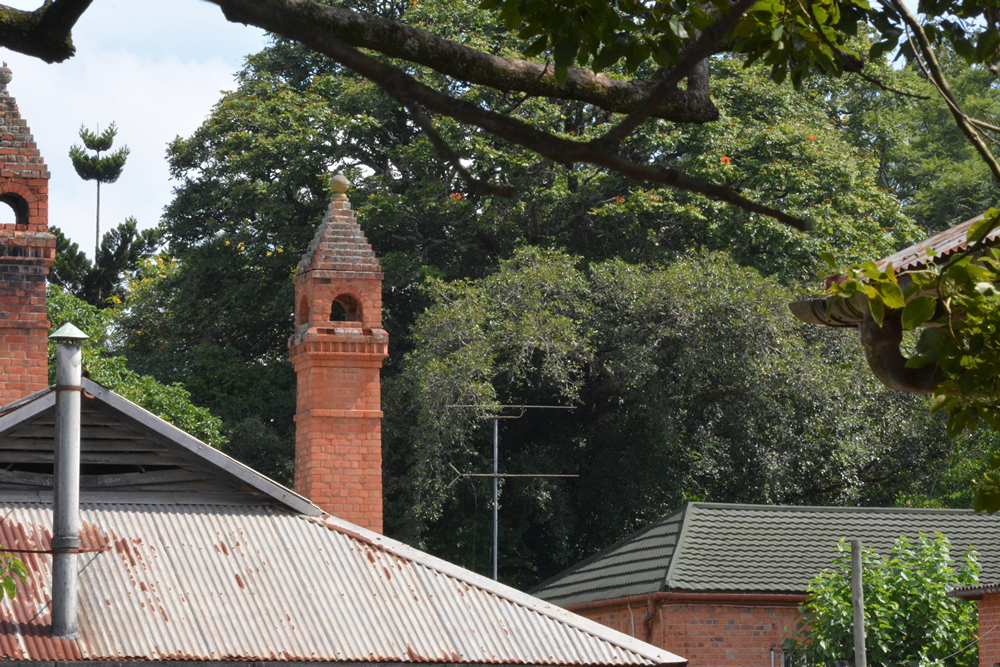
Our “own” Mariazell is thus able to claim magnificent spiritual ancestry! It is a very picturesque Mission station which has always boasted fine educational institutions, counting many public figures amongst its alumni. It also boasts extensive farming operations and even generates its own electricity from a self-sufficient hydro-electrical system built more than 120 years ago. The Church is a magnificent imposing structure and one which manifests Br Nivard’s building expertise and his architectural genius.

Maria Ratschitz Mission

Maria Ratschitz Mission was established in 1889 on 3200 hectares in the fertile Nkuzi Valley at the base of the Hlatikulu mountain.

At the request of a European Benefactress it is named after the Marian shrine in Leitmeritz in the Czech Republic. This shrine has an eventful and ancient history, and is closely connected with the history of the Cistercian monastery Osek and with the veneration of the image of the Sorrowful Mother of God.


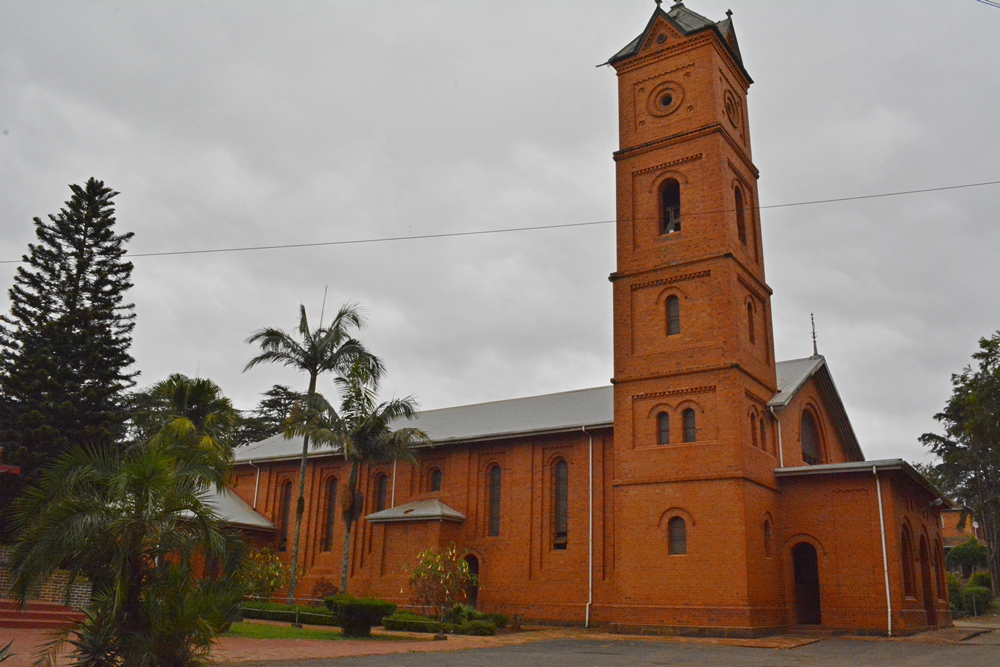
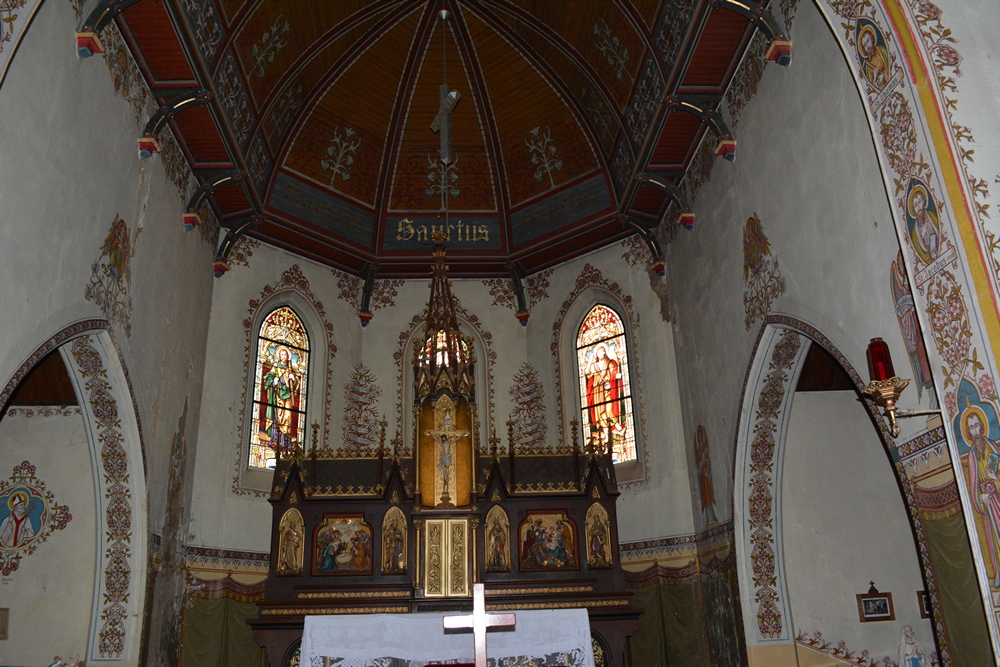
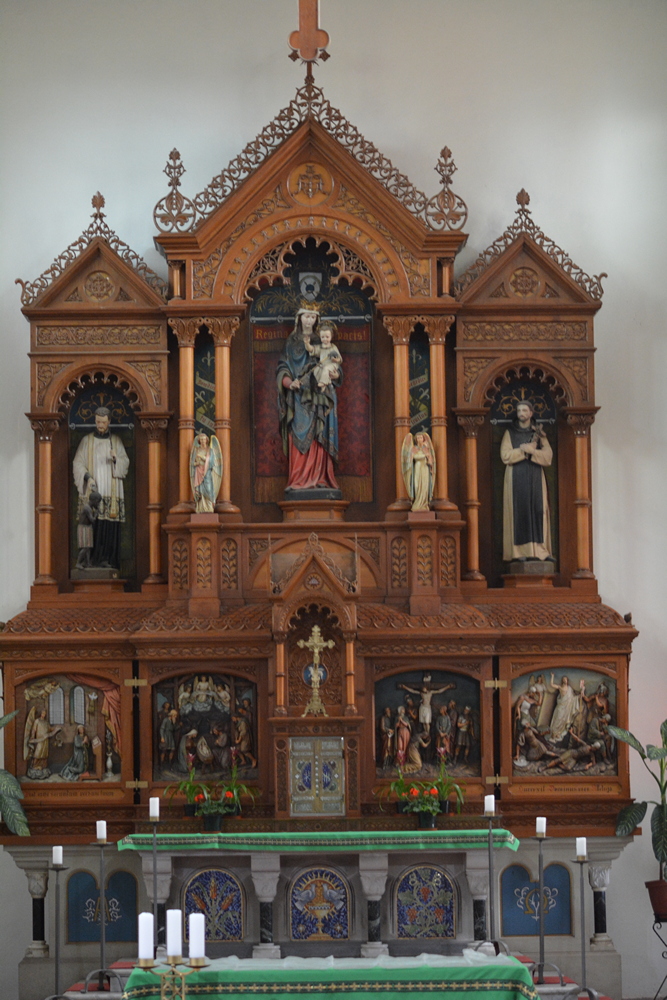
The Maria Ratschitz church takes pride of place as another masterpiece of the Trappists’ skills and boasts a tall elegant bell tower, visible from a good distance. As was common to churches of those days, magnificent stained glass windows, lovely frescoes and a carved high altar and pulpit adorn the interior.


The Mission has been lovingly restored over the last couple of decades, thanks to generous donors, and counts many social projects amongst its outreach.


It was not always so – and from its early glory days had fallen into a state of terrible neglect and disrepair. The reasons for this tragedy are many and varied, amongst which were the destructive social and political polices of early South African governments. The restored Mission has a convent, school and hospice.

Kevelaer Mission

Kevelaer mission was founded 1888 by Abbot Franz Pfanner near the village of Donnybrook, Ixopo.

He called this place after a town in Northern Germany, Kevelaer, which had been a well known place of Pilgrimage since 1642. A benefactor from Kevelaer in Germany wished the new station to be called this. It was the custom of the Founder to call his new foundations in Africa after famous places of pilgrimage in honour of Our Lady, scattered all over Europe.

In 1932 Fr Vitalis Fux, the then missionary priest at Kevelaer Mission, travelled to Switzerland to raise funds to enlarge the church. The full story of how a miraculous picture of Kevelaer came to South Africa, and the priest’s role in this, is told in the back of this calendar.


Since the year 1947, pilgrims from all walks of life and every racial group of South Africa, began to make their way to this shrine of Our Lady and place their petitions before her. The number of pilgrims increased year after year so that Kevelaer was declared officially a place of pilgrimage in 1953 by Bishop A Streit.

The whole Diocese had been dedicated by Bishop Fleischer to Our Blessed Mother on 21 November 1943, in the midst of the unrest of World War II. Kevelaer was chosen as a place of pilgrimage especially because of the presence of the precious shrine of Kevelaer with its picture as old and venerable as that of the original Kevelaer in Germany.


It was resolved to celebrate the Feast of the Assumption with special solemnity at Kevelaer. Under the title of the Assumption, Mary was chosen as Patroness of the Diocese of Mariannhill. Every year thousands of pilgrims visit Kevelaer especially on the weekend of the Feast of the Assumption in August, when commemorations take place from Saturday afternoon to midday on Sunday.

In common with the shrine in Germany there have been numerous reports of prayers being heard as a result of devotions in the mission church. Indeed, the many plaques and dedications on the Chapel walls bear testimony to this.

KEVELAER IN GERMANY


At Christmastime in 1641, a tradesman named Hendrick Busman, on his daily journey from Weeze to Geldern, heard a mysterious call on three separate occasions while praying at a crucifix that stood at a crossroads near Kevelaer, “Here you should build a chapel for me.” These requests caused him great anguish because he was a man of small means and circumstances. Nevertheless he started to put away some little savings for the building of the sanctuary.


His testimony to these events was recorded when an ecclesiastical examination was convened at the Synod of Venlo in 1647, which gave unusually rapid approval to the Kevelaer pilgrimage.


Then one night, a month before Pentecost, his wife, Mechel, had a vision in which she saw a great shining light with the image of a holy house, and a picture similar to those she had seen in the hands of two soldiers.


They had brought two paper pictures of Our Lady of Luxembourg and tried to sell them to Mechel. She did not buy them because they were too expensive.


These soldiers were engaged in the Thirty Years War between France and Germany and had visited the shrine of Our Lady of Luxembourg to pray for the safety of their captain who had been captured. Before leaving, they had purchased the small prints of the picture, known as “Our Lady Comforter of the Afflicted”. 


On hearing this, Hendrick sent his wife to those soldiers to look for the pictures. They had given them to their captain who was in custody in Kempen at the time, and when he was released, Mechel asked him for one of the pictures.


In May 1642, the priest of Kevelaer placed the picture in the little shrine that was built by Hendrick Busman according to the vision his wife had seen.


On the same day a large crowd of people gathered and some miracles happened which are recorded.

KEVELAER IN SOUTH AFRICA


In 1932, the then missionary at Kevelaer, Fr. Vitalis Fux of the Congregation of the Mariannhill Missionaries was allowed by his Bishop, Mgr. Adalbero Fleischer, to go to Switzerland to raise funds in order to build a larger church at his mission station. The ever growing number of Christians necessitated this. When Fr. Fux thought he had fulfilled his task, his superiors asked him to stay on and help build up his Congregation in that country. 


During a break from this task he made a pilgrimage to Kevelaer in Germany in order to place before “Our Lady, Consoler of the Afflicted” all his worries, and especially his people and the station of Kevelaer in Natal. There he saw for the first time the miraculous picture of Our Lady and he also had a chance to preach to the pilgrims about Kevelaer in the mission lands. He got to know the history of this shrine and also that the second picture was still in the possession of the descendants of the soldier. 


Because of the wonderful and miraculous cures wrought at the shrine, this other picture was much treasured and was handed down through the family for nearly 300 years. The last owner, an elderly lady in her seventies, was approached by Fr. Fux in August 1933 and asked to donate the picture for a shrine that he wished to erect at Kevelaer in Natal. She refused, however, as after the First World War their family business had been brought to ruin and this picture was her only treasured possession.


After a visit to Our Lady’s shrine in Lourdes in France, Fr. Vitalis Fux received a considerable sum of money from a lady to whom he had shown kindness during this trip. Her intention was to support him in erecting a shrine in honour of Our Lady in South Africa. 


Thereupon he once more visited the elderly lady and showed her and her husband a series of coloured slides of the missions in Natal. Their hearts were touched and the lady brought out the treasured picture. With a last kiss she gave it to Fr. Fux to take back to South Africa. The family’s name was Struckenbaur, living at Suchtelen near Kevelaer in Germany. 


In October 1933 the happy Fr. Vitalis on returning to his Mission house in Brig, Switzerland, paid a visit to the famous visionary Therese Neumann in Konnersreuth, Germany. She was completely unable to see, as two streams of blood were coursing down her face from her eyes. However, as soon as the picture was held in front of her she placed her finger on the spot where 1640 was printed and then slowly moved to the face of Our Lady, saying: “This is the Mother of Our Redeemer, Consoler of the Affiicted.” With this the priest felt a certainty, without doubt, as to the authenticity of the picture.


Before Father started his return journey to South Africa, he was again approached by another kind lady who wished to fund an ornate frame plated with gold and silver and studded with precious stones in memory of her husband who had been killed in the First World War. For at least two years artists and craftsmen worked on this beautiful frame at the firm of Kosters and Seegers in Kevelaer. After hundreds of hours of work it was completed – an exact replica of the original at Kevelaer in Germany, and ready to come to South Africa. Another benefactor, Franz Hof, paid for the expenses of the wooden altar and the sepulchre under the altar. This was made by the sculptor Anton Mussner in Ortisei, Southern Tyrolia.


In the meantime work was going on to build the new church at Kevelaer. The successor of Fr. Vitalis Fux, Fr. Felix Seeger, was working with his own hands and the help of some African builders on this structure while Fr. Fux was still in Europe. But the Lord demanded a great sacrifice. The zealous missionary, Fr Seeger, responded to a call to visit a sick man. He came back home drenched to the skin. He contracted pneumonia and died as a result of this in the year 1938.


But the return of Fr. Fux was hindered by the outbreak of the Second World War. Only in 1947, after an almost 14 year break in his missionary work, could he go back to South Africa. With the precious picture in his luggage, his homeward journey was very eventful. He survived several serious accidents, but Our Lady was looking after her image. One of the accidents was an air crash over the jungles of the Congo basin, when flying on the final stage home to Natal. The engines failed and the plane had to make a forced landing. Providentially a clearing appeared in the sea of green which stretched as far as the eye could see. The pilot was able to land successfully with no injury to any of the passengers or crew. After camping near the wreck for several days they were rescued; and so a final chapter was written in the travels of the picture to its new home. Back in Mariannhill, the precious picture was solemnly transferred to the new church at Kevelaer and installed on the wooden carved altar.


Since 1947 pilgrims from all walks of life and every racial group of South Africa began to make their way to this shrine of Our Lady and place their petitions before her. The number of pilgrims increased year after year – so much so that the Bishop of Mariannhill, Rt. Rev. Alphonse Streit, thought of declaring Kevelaer an official place of pilgrimage. 


The many plaques adorning the walls in the chapel of the shrine have been placed there by grateful people and families – a visible testimony to the graces received. 


The actual picture of “Our Lady, Consoler of the Afflicted,” which came to us from Kevelaer looks inconspicuous and insignificant. It’s size is 75mm by 110mm, dated 1640, and probably made in Antwerp. Yet it has been the object of countless pilgrimages. In the foreground the Madonna is in a wide, open cloak, with the Baby Jesus, and a crown and globe on her left arm; a sceptre in her right hand, and a crown on her head. In background is the town of Luxembourg on the left, and on the right is the Chapel of Luxembourg which is outside the walls of the town. Above the picture is the inscription: “Consolatrix Afflictorum ora pro nobis – Comforter of the Afflicted, pray for us.” The following words appear on the prints: “True copy of the picture of the Mother of Jesus Comforter of the Afflicted – as it is well known through the many miracles and venerated by many in the neighbourhood of the city of Luxembourg.” 


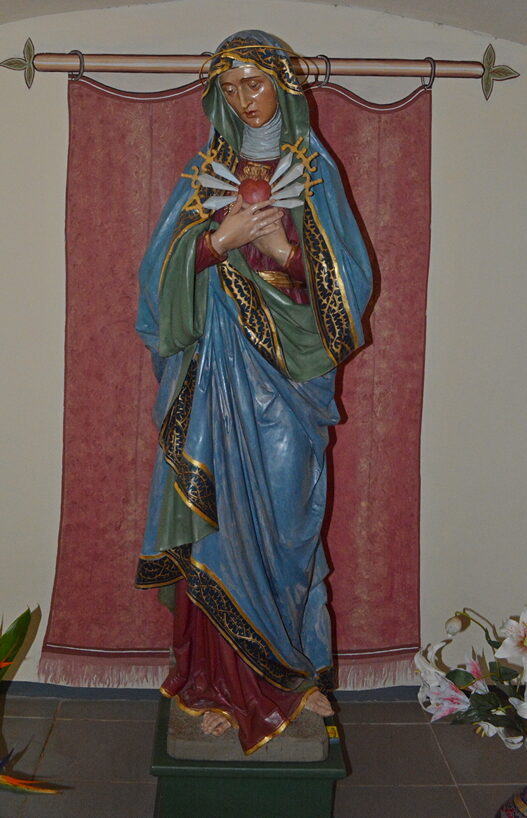
However, a further statue of Our Lady as Sorrowful Mother and Consoler of the Afflicted is situated beneath the altar. It is this image which also inspires many pilgrims to pray and to offer their gifts. The church also houses an image of Jesus tied to the pillar during his scourging. This too is an object of much devotion and veneration. It was carved for Kevelaer by the Swiss sculptor, A. Payer. Outside the church a beautiful fountain can be seen, above which is enthroned the figure of Our Lady of Kevelaer as seen on the actual picture of the shrine. People love to take home some of the water which pours into the basin of the fountain from the mouths of four figurines. The whole fountain is the work of the Munich artist, Fischer.


Kevelaer is now known far beyond the boundaries of the Diocese of Mariannhill and Kwazulu Natal. Pilgrims come from all over. They love to come together as a great family of God, loved by Him and taking refuge under the mantle of “Our Lady, the Consoler of the Afflicted”. 


Our Lady of Kevelaer, Pray for us!

Oetting Mission

Oetting Mission was bought in 1887 and lies at the foot of the Hlokozi Mountains in the Highflats District. It is named after the pilgrimage town of Altötting which is located in the lovely Upper-Bavarian Alpine region between Munich, Passau and Salzburg.


This small town may be termed the Bavarian Loreto, and is famous for the Chapel of Grace, one of the most visited shrines in Germany. This is a tiny octagonal chapel which keeps a venerated statue of the Virgin Mary and Child and the complexion of both is black. The image which undoubtedly originates in the East, is covered with the most profuse and costly decorations of gold, brocade and precious stones, the gifts of rich and pious worshippers of twelve centuries (since 696) during which the Virgin has occupied her present abode.

During the Thirty Year’s war she was removed to Salzburg for a short period together with her treasures, to protect them from the Swedes. According to the legend, in 1489, a 3-year-old local boy who had drowned in the river was revived when his grieving mother placed him in front of the wooden statue of the Virgin Mary at the high altar. News of the miracle quickly spread, and the chapel was immediately extended by the erection of a nave and a covered walkway.


A replica of this famous image is to be found over the altar in the Oetting Mission Church, as well as a painting reflecting the miracle of the revival of the drowned child.

Centecow Mission

In 1888, Abbot Pfanner purchased a small farm on the west bank of the Umzimkulu River, in the Creighton area. The money needed to buy and develop this land came from a Polish princess and the Mission was consequently named after the great historical Marian Shrine in Poland, Our Lady of Czestochowa. The icon of the Black Madonna has a very long and interesting history of saving the Polish from their enemies. Due to the complexity of the name it was simplified to read “Centocow.” 


The Sacred Heart Church at Centocow is one of the finest of all Trappist Churches. Its lofty tower in Italian style is a masterpiece in itself. The stained glass rose window in the apse portrays, under the protective mantle of Our Lady, the many personalities connected with the foundation of Mariannhill and its missions. 

It was at this special Mission that the Sodality of the Sacred Heart was founded. The Sodality, such a picturesque part of the Faith in our country, celebrated in June 2019 the 125th anniversary of its foundation. It recorded phenomenal growth, counting its membership in tens of thousands and spreading right throughout Southern Africa.


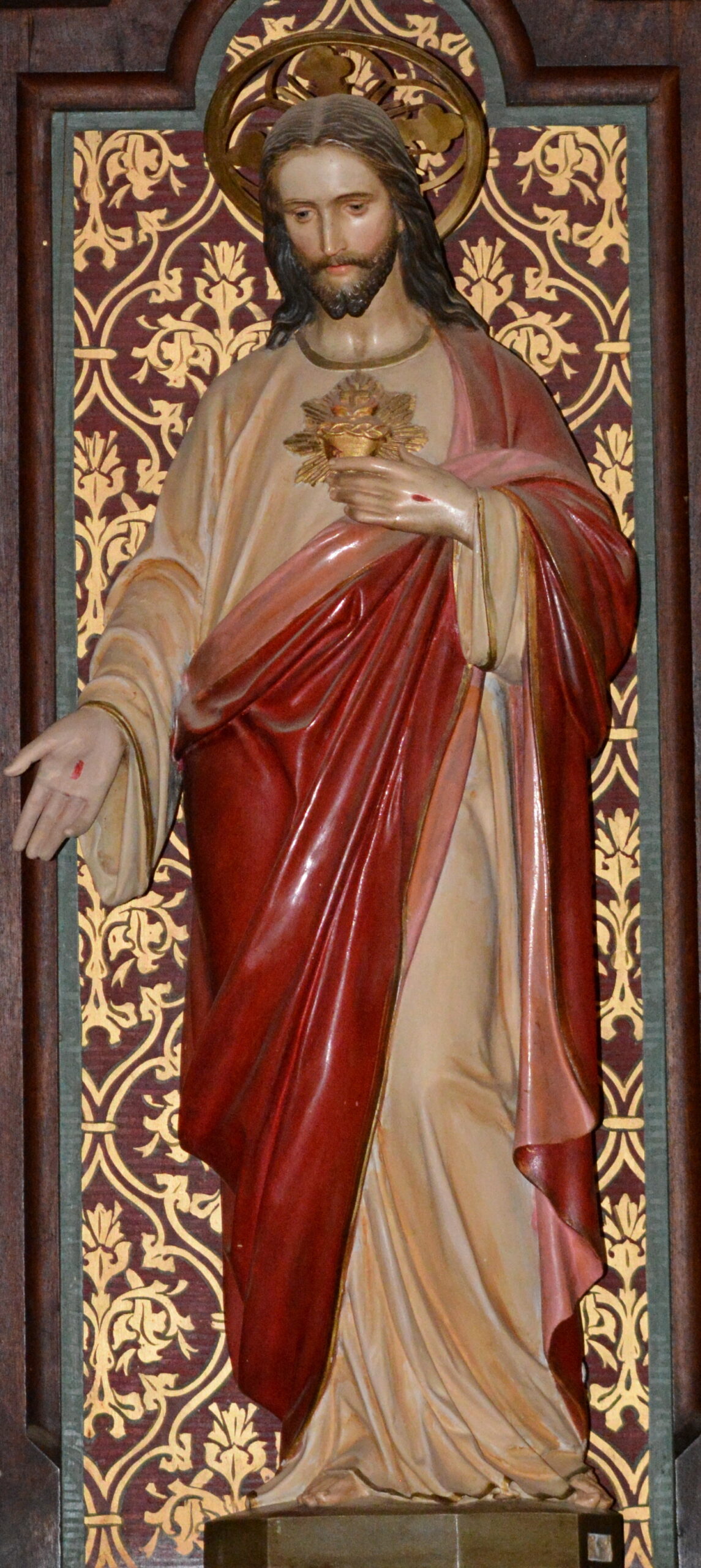
Consequently, this magnificent Church and Mission which (like so many others, was designed by the famed Mariannhill architect, Brother Nivard), has become a noted place of pilgrimage especially for those devoted to the Sacred Heart of Jesus.


The missionaries developed Centocow into a flourishing station, making large numbers of converts in the process. The brothers cared for the farm, did all the carpentry, blacksmith work and made the bricks for building operations. They laid out vineyards, forests and orchards which were famous for many years. It is a “must-visit” part of our national Catholic heritage.

Lourdes Mission

Of all these missions, Lourdes, founded in 1888, was the largest and most elaborate. The mission comprised 20 243 hectares, and was part of the land belonging to Donald Strachan, one of the earliest traders in the region and a friend of Adam Kok. About 4 000 hectares was for the monastery and the remainder for the use of Christian and other Black tenants.


It was at Lourdes that the brothers revived the medieval system of marsh or bog drainage to produce excellent wheat lands. In addition to crops, horse and cattle breeding was also introduced. A waterfall on the property was harnessed to provide power for the turbine engines and the monastery buildings were built on the hillside overlooking the farm lands.


In its heyday it boasted a fabulous Church (the Cathedral of Umzimkulu Diocese) and a sprawling complex of schools, hostels and convent. Tragically, with the passage of time and a devastating fire, the whole complex, except the Church, fell into rack and ruin. Only recently has work begun on restoring its former glory as an Institution of note for the spiritual and social upliftment of the local population.

It was to this magnificent Mission that Abbot Pfanner retired on his suspension from Mariannhill and where he spent the first year of his enforced exile.


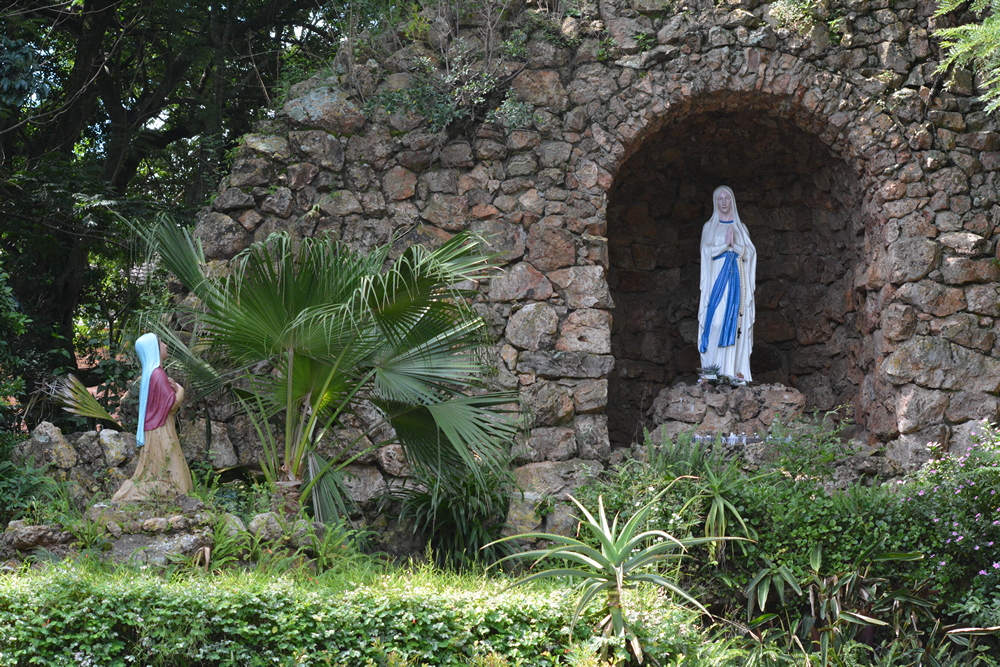
This mission is named after Lourdes in France where Our Lady of the Immaculate Conception appeared to Saint Bernadette in 1858 in a grotto. A replica of Our Lady of Lourdes grotto can be seen at all the missions established by Abbot Pfanner and attests to the great devotion he had to Our Lady under this title.

Emaus Mission

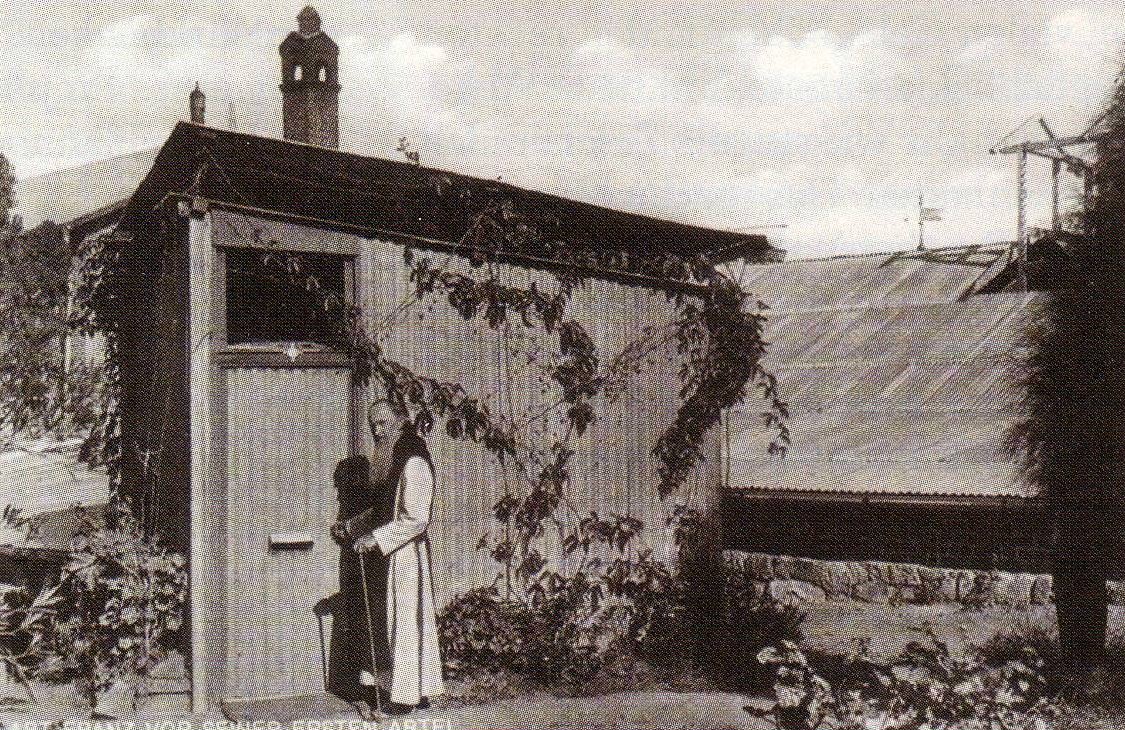
Emaus was founded by Abbot Pfanner himself in 1894, after he resigned as abbot. Situated near the Lourdes Mission in East Griqualand, he and two companions continued their mission work, opening a model dairy farm. 

Pfanner remained there until his death in 1909. The name does not derive from the biblical Emmaus but is a play on the word e Maus, which is the German dialect for Eine Maus (a mouse). 

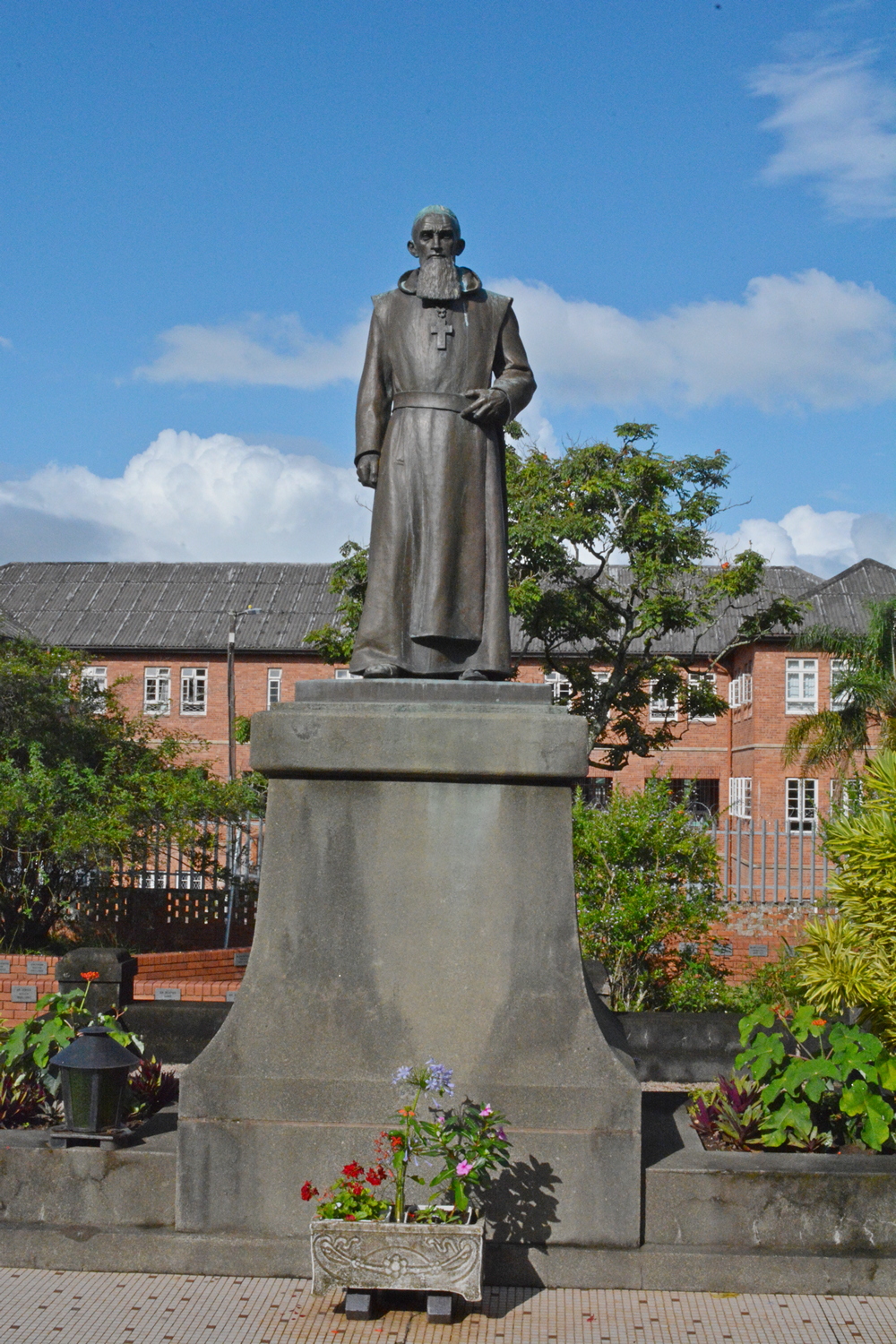
This Mission has also assumed much significance as it is here that he died. Here one also finds the place of pilgrimage and prayer dedicated to his life and to the Cause for his beatification. Emaus was both his Calvary and path to spiritual glory. 


His Calvary was reflected in the vigorous timetable of work and prayer and the ever present fact of separation and isolation from all that his labour of love had conceived at Mariannhill. 


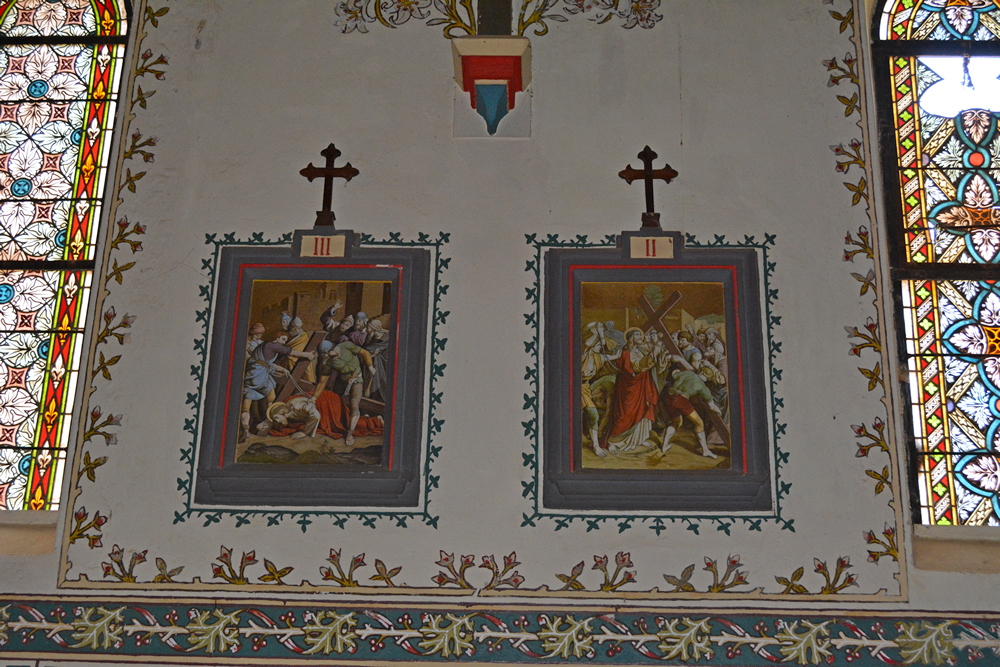
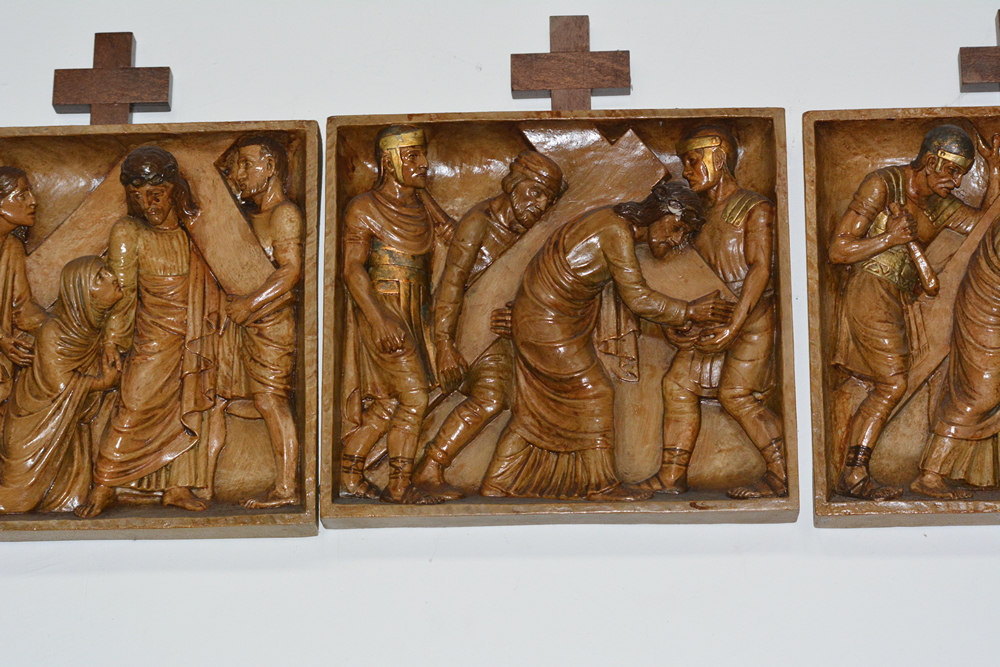
His day began at 03h00 with prayer and meditation, followed by Holy Mass at 04h30 and then the Stations of the Cross – which consisted of an arduous 200-foot mountain scramble. These Stations he had personally built on arrival at Emaus. After breakfast his day would consist of three hours of manual labour and the rest of the day would be taken with prayers, walking, meditation, Adoration, writing and recitation of the Office, etc. 


In many ways Abbot Pfanner was a man before his time. He had a prophetic knack to grasp solutions to the problems of the day and his thinking on social problems, life necessities, racial harmony and integration, were clearly inspired.

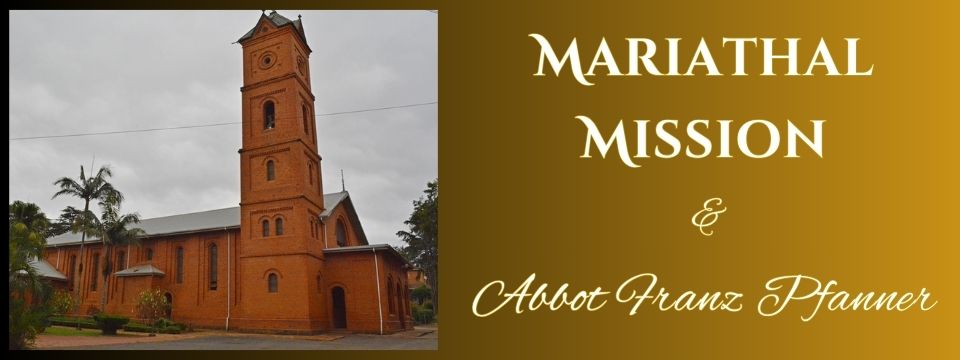
Mariathal Mission

Mariathal was established in 1887 and is situated about 5 kilometres north of Ixopo. It was founded as a resting point halfway between Marianhill and Reichenau.

It is named after the Mariathal Basilica in Austria which is a famous pilgrimage church built after a miraculous picture of Our Lady was found in a tree to console a knight who had accidentally shot his brother with an arrow.


In 1891 the Trappist monks bought an adjoining farm and called it St Isidore where the farming for the adjoining missions took place. Its early years were noteworthy for the many activities at the Mission and its great vibrancy.


Mariathal Mission was a centre of learning for locals as well as for priest candidates from Europe. In 1925 the first Seminary, Saint Mary’s, dedicated to the training of African priests, was established nearby.


Abbot Pfanner encouraged religious vocations amongst the Zulu people and in 1887 he sent Edward Mnganga to Rome to the College of Propaganda Fide. He became the first Zulu priest to be ordained in 1898 as a Doctor of Philosophy. Fr Mnganga, after many difficulties worked zealously and fruitfully at Mariathal Mission and taught at St Mary’s. In 1903 Fr. Aloysius Mncadi was ordained a priest in Rome and in 1907 Fr Andreas Ngidi and Fr Mbhele were ordained.


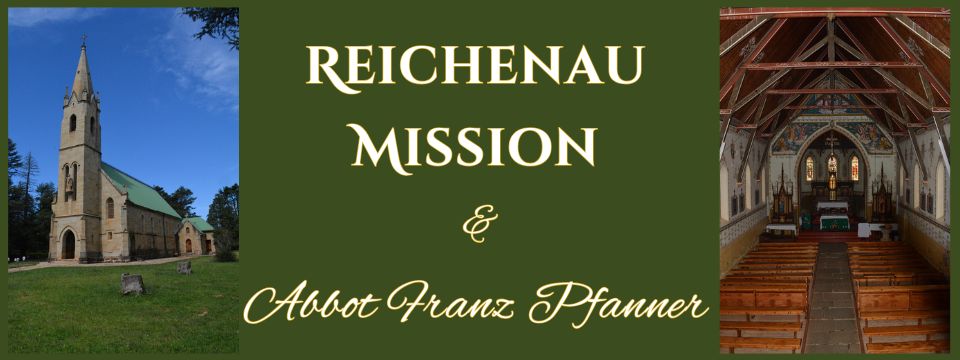
Reichenau Mission

It was on one of his scouting trips that Abbot Pfanner met with Chief Sakayedwa at the Polela River in May 1886. The Chief asked for schools for his people. This, Pfanner reasoned, would satisfy the cherished educational desires of local Chiefs and provide important channels for evangelisation.

Abbot Francis named the mission “Reichenau” and prayed that it would be for the local African people something similar to the role played by its namesake in Germany – “a haven of culture and Christianisation.”


It is named after the Benedictine Monastery which is located on the island of Reichenau in Lake Constance, central Europe which was founded in 724, in honour of the Virgin Mary and Saints Peter and Paul.

It was favoured by many pilgrims and wayfarers, who enriched it with gifts of precious relics. One of these was a cross with the Blood of Christ, which was said to have been brought from the East to Charlemagne, and to have been confided to the custody of Reichenau in 925.

The abbots, academics, and artists who inhabited Reichenau Monastery made considerable contributions to the political, spiritual, and artistic life of the period. 


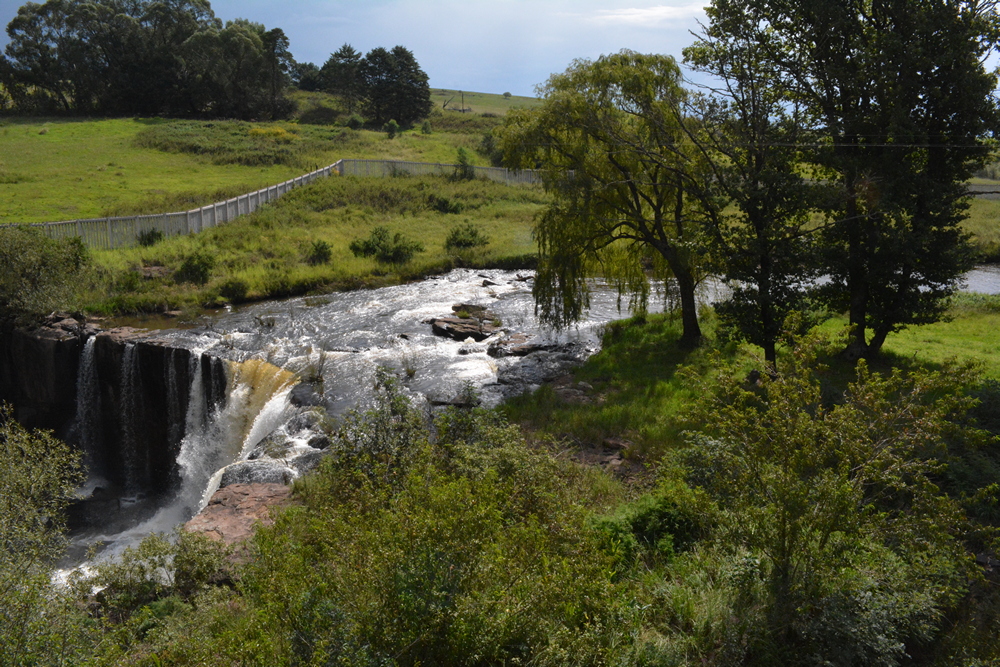
Our “own” Reichenau boasts a somewhat mysterious interior. The buildings were planned alongside a natural waterfall and as there was no suitable clay for bricks, sandstone was used to maximum effect, even incorporating the steeple. It was designed by the architect of Mariannhill, Brother Nivard Streicher, and with its beautiful murals and richly coloured stained-glass windows, it is his most perfect neo-Gothic structure. 

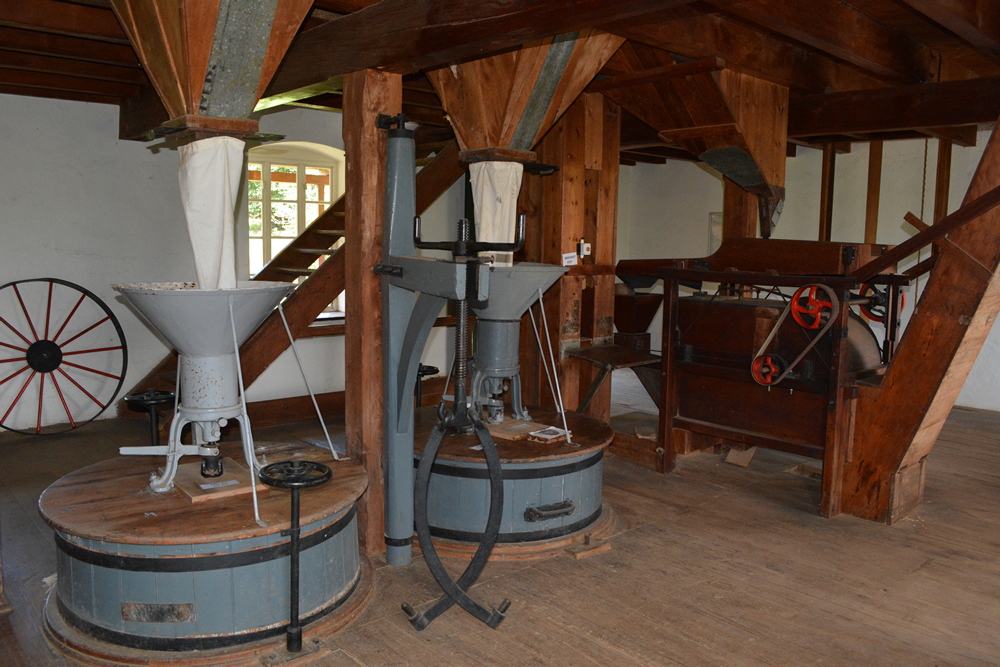
One of the earliest reports from the teachers at Reichenau was that to their surprise the desire of the pupils for religion was even greater than their desire to “learn the book.” The school is still functioning and the mill is being restored.

Mariannhill Mission

No appraisal of the magnificent legacy of Abbot Pfanner would do him justice without starting at the very beginning… the Monastery at Mariannhill!

An intricate pre-history of incredible uncertainties, setbacks and anxieties finally sees the Trappist monks under Abbot Pfanner settling somewhat fortuitously on the farm Zeekoeigat, 20 kilometres from Durban.

The first utterances of the great Abbot set the tone, so to speak, for the great apostolic venture which would change the face of rural Zululand for ever – and reveal in a telling manner the secret of his success – Our Lady! As the early Chronicles record: “During the first few days here, I was often asked: ‘What will the new Monastery on this farm Zeekoeigat be called?’ For a long time I did not want to give an answer, but at last I broke my silence and said: Mariannhill is its name!
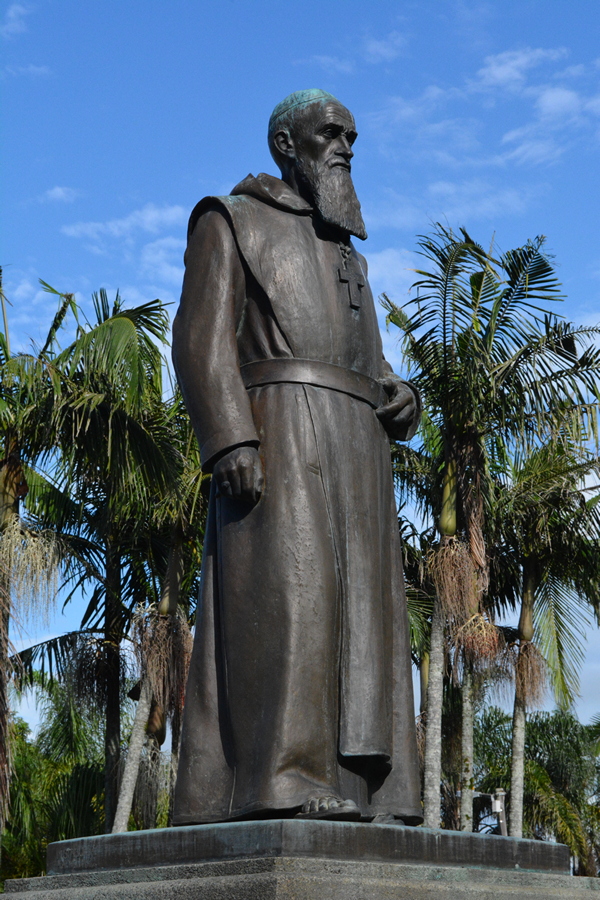
All our Monasteries must be built in honour of Our Lady – Mary; St Anne however is our dear grandmother, whom we respect greatly and “Hill” I add, because the Monastery will come to be built upon an imposing hill, God willing.”

On 27 December 1882, on the spot designated for the construction of the Monastery, Prior Pfanner intoned: “In the name of God we take possession of this place. Let us now kneel down and all of us kiss the ground three times in the name of the Triune God.”

Thus began the great project of evangelisation which would lead to the formation of countless Mission stations and bring the light of Christ, His Holy Church and the Gospel of salvation to millions…

Within a few short years these wooded fields outside Durban were transformed into a magnificent spiritual “battlefield,” teeming with monks engaged in every conceivable pastime – bakers, carpenters, cobblers, tailors, brick-makers, engineers, farmers, teachers etc. In their blood, sweat and tears they were a living testimony to the Faith, labouring under the African sun to leave a permanent legacy of the Holy Roman Catholic Faith.

Before long Mariannhill distinguished itself as the largest Trappist Monastery in the world and to this day it remains a formidable enterprise of sprawling buildings, dedicated to many pursuits, notable amongst which is quality education.

The Monastery Church and cloister, still resplendent in their unique original grandeur, are well worth a visit!